Chinese Academy of Sciences / 2019–2021 · 2024
Atmospheric field observations
Observation infrastructure and field instrumentation across the Loess Plateau.
Research institution: Northwest Institute of Eco-Environment and Resources, Chinese Academy of Sciences
The institute studies environmental and engineering topics including the cryosphere, global change, frozen ground and cold-regions engineering. This page documents atmospheric-observation work on the Loess Plateau.
Atmospheric-turbulence observations across the Loess Plateau combine field infrastructure and instrumentation at the Northwest Institute of Eco-Environment and Resources, Chinese Academy of Sciences.
Research advisors: Yinqiao Hu · Jinbei Chen
Observations and fieldwork
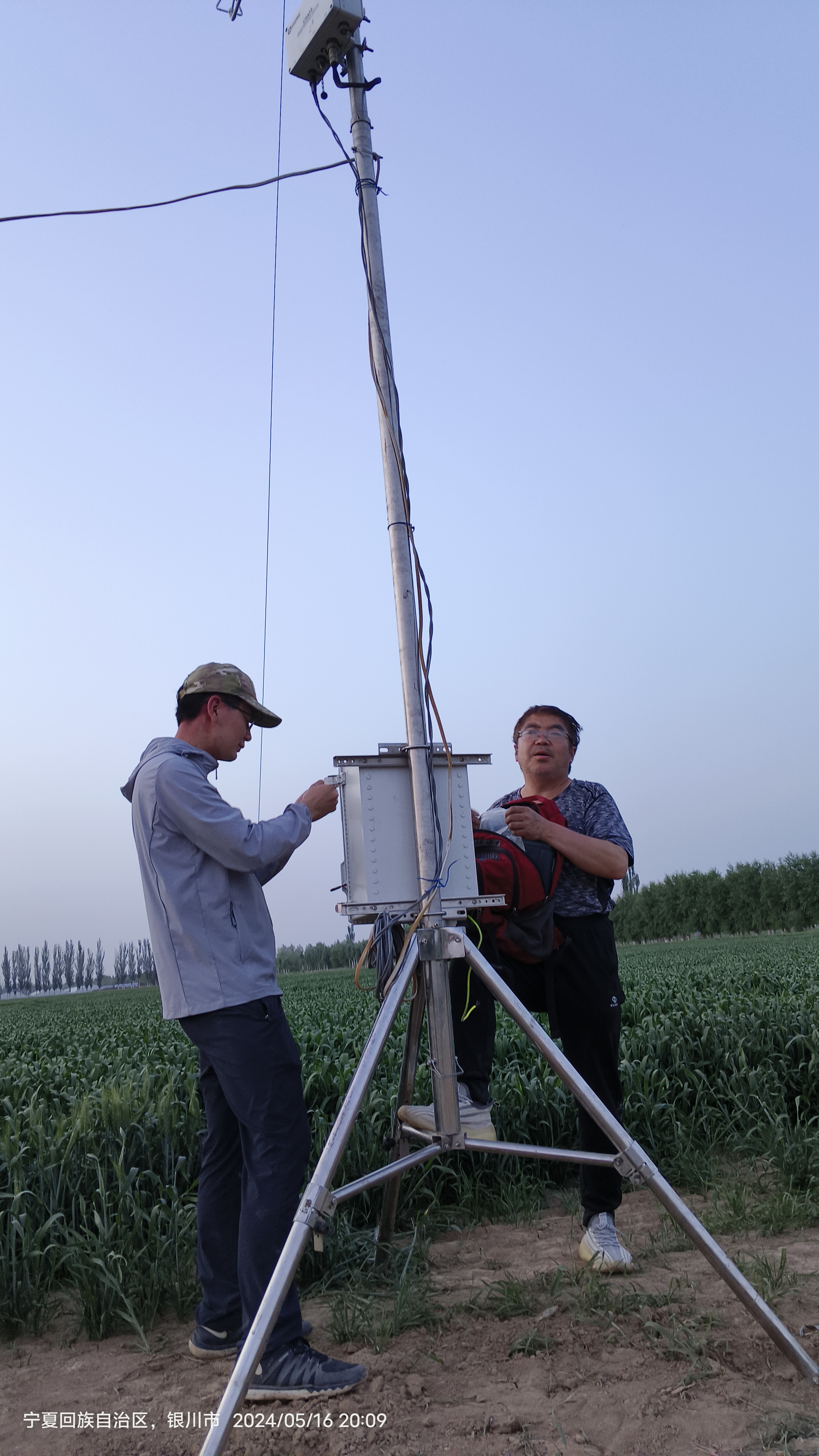
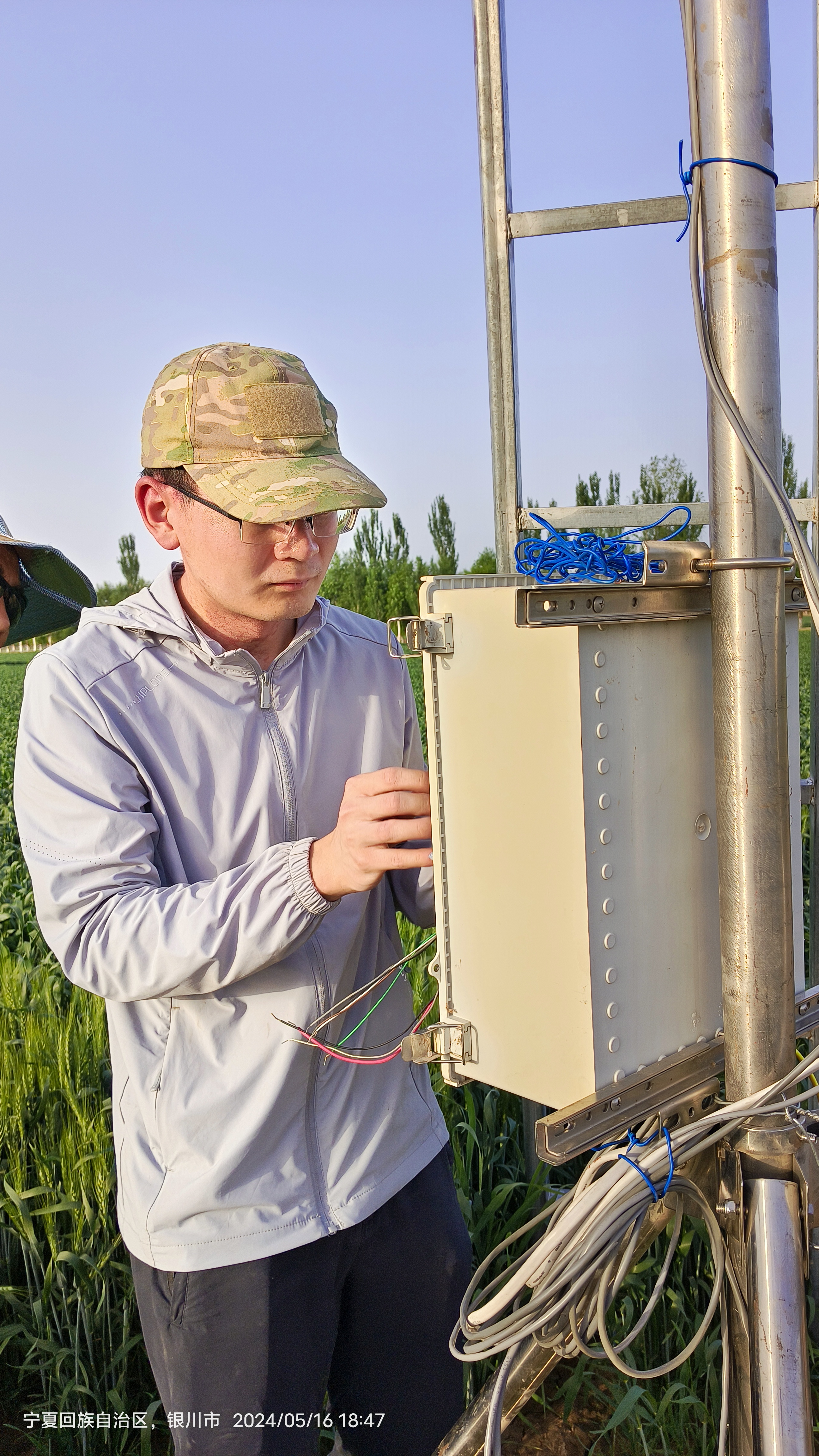
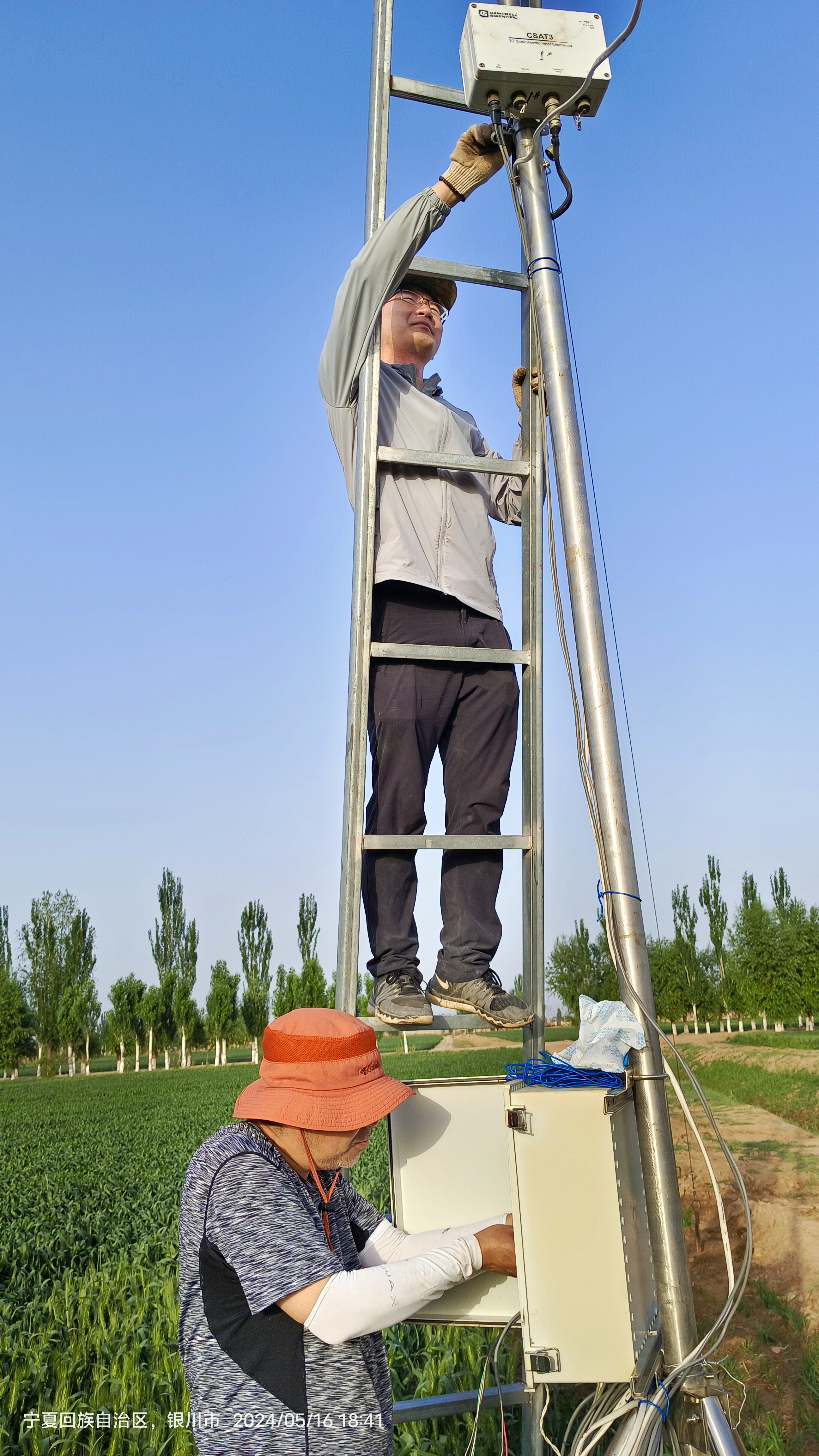
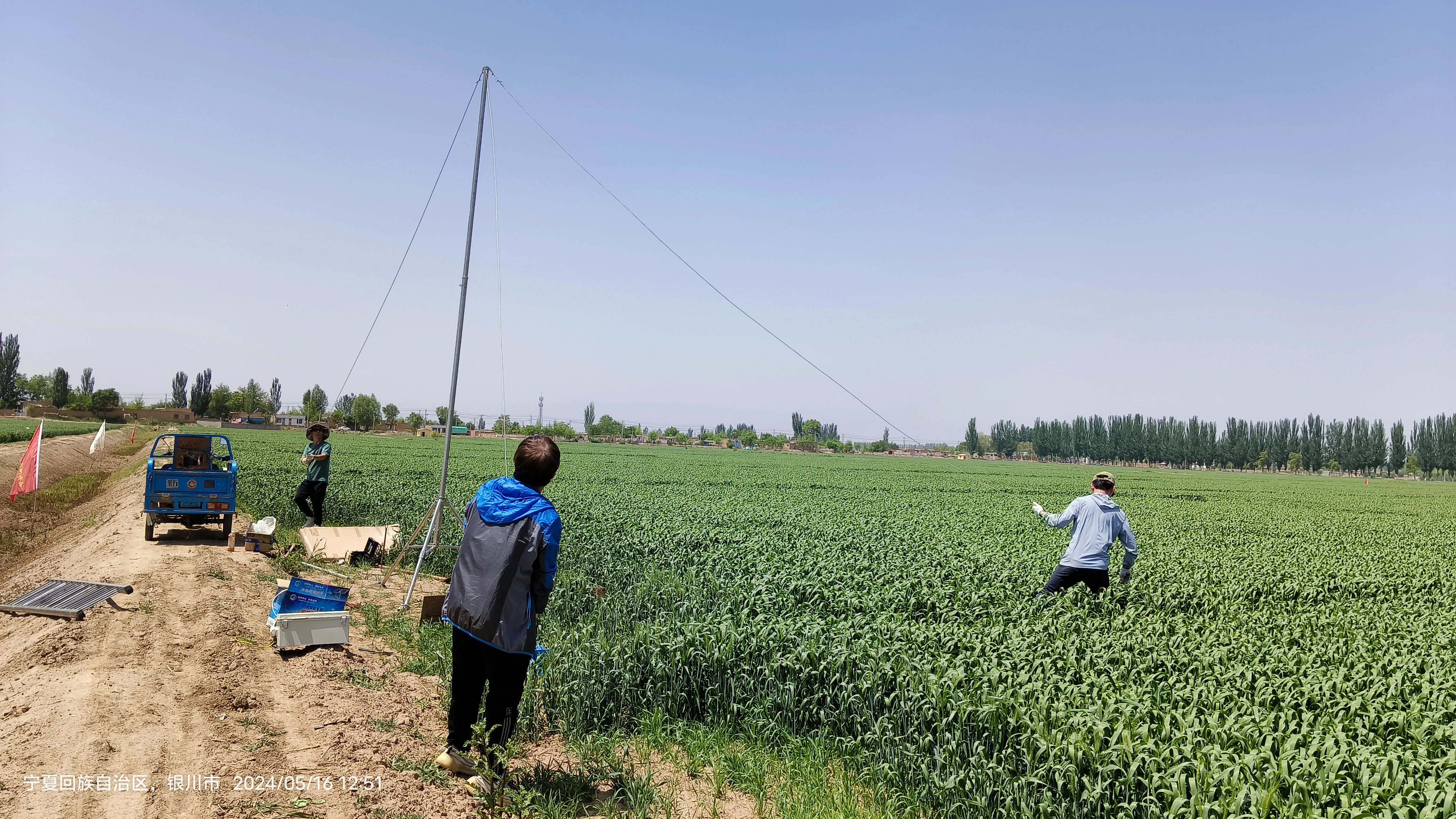
Observation towers support long-term measurements of wind speed, wind direction and humidity, complemented by instrumented fixed-wing UAVs. Fieldwork involved tower construction and maintenance, instrument deployment and UAV assembly and operation. The related publication examines large-scale eddies in the surface layer of the Loess Plateau.
Related publication
Chen, J., Chen, X., Jia, W., et al. (2023). Multi-site observation of large-scale eddies in the surface layer of the Loess Plateau. Science China Earth Sciences, 66, 871–881.
Read the paper ↗Multi-site observations and research objective
Fieldwork in 2019–2021 and 2024 involved construction and maintenance of observation towers across the Loess Plateau, supporting long-term records of wind speed and direction, humidity and ground evaporation. Multi-site observations support studies of atmospheric turbulence and the applicability of ergodicity assumptions in its measurement.
The related publication examines large-scale eddies in the surface layer of the Loess Plateau. Xiaowen Chen contributed to observation-infrastructure construction and maintenance and to manuscript editing and translation, with second-author attribution. The publication linked below provides the scientific findings.
Fixed-wing UAV observations (2019)
Instrumented fixed-wing UAVs supported atmospheric observations over the ravine-dissected terrain of the Loess Plateau. Xiaowen Chen assembled and operated the aircraft to provide measurements complementary to the ground-based observations.